 Luxury Fashion
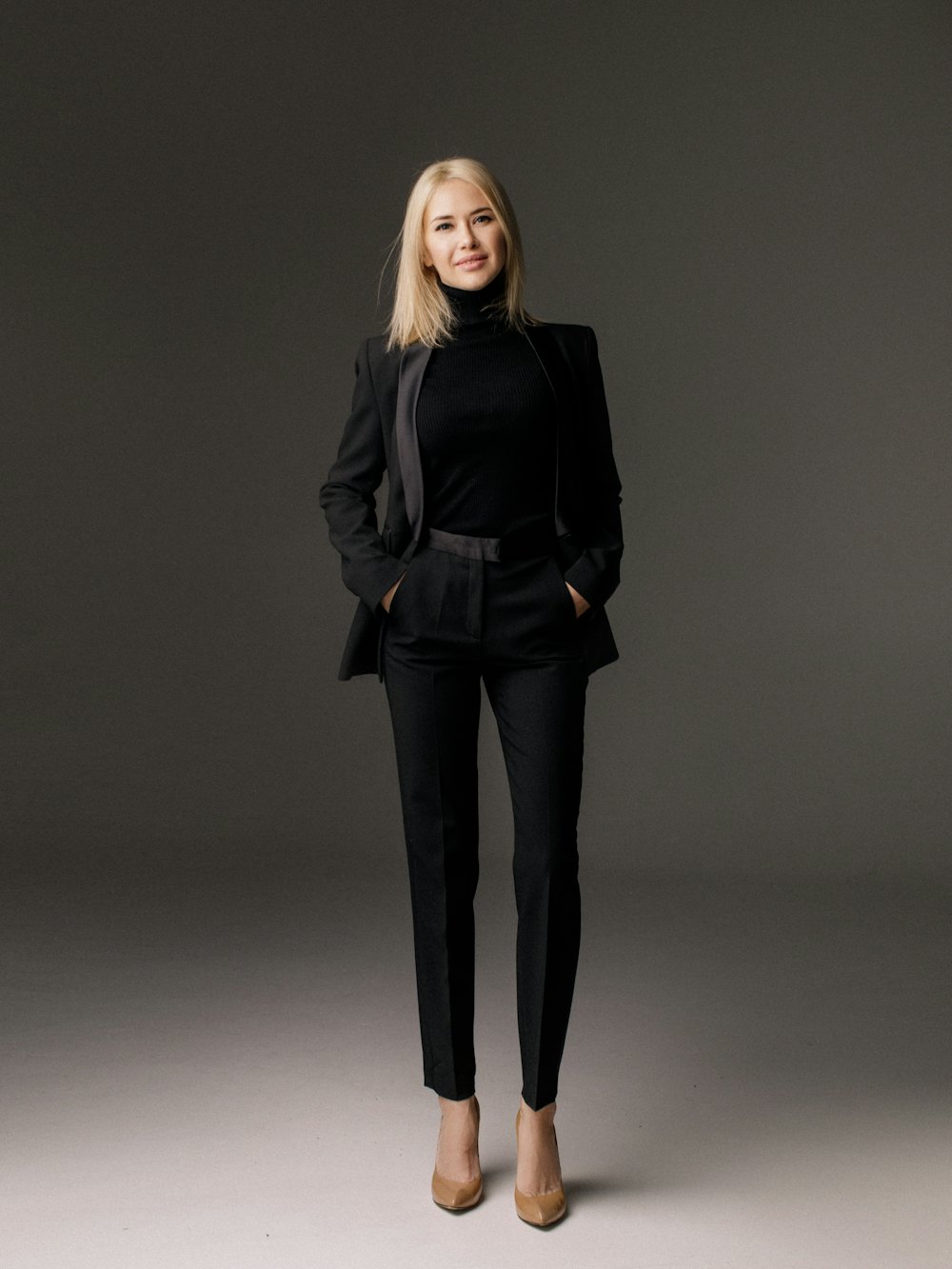
This post may contain affiliate links. If you buy through them we may earn a commission, at no cost to you. Learn more.
Few dress codes cause more uncertainty than business casual. It used to mean a suit without the jacket. Now it covers everything from tailored trousers and a silk blouse to dark jeans and a good knit, depending on the office, the industry and the day of the week. The common thread is not a list of rules but an impression: you look put together, as if you could walk into a meeting you didn't know about at nine in the morning.
The easiest way to get there every day is a small wardrobe of pieces that all work with each other. Below is a twelve-piece capsule, the principles behind it, and a five-day plan that shows how far it stretches.
What business casual means now
Think of it as a sliding scale. At the formal end: tailored trousers, a blazer, a fine knit or blouse and a leather shoe. At the relaxed end: dark, clean jeans with no distressing, a crisp shirt or cardigan and a loafer or low boot. Most offices sit somewhere in between, and the safest approach is to dress one notch above what you see around you.
A few things still fall outside it nearly everywhere: athletic wear, visible logos, anything ripped or very short, and flip-flops. Fit matters more than formality. A well-cut pair of trousers and a knit that fits at the shoulder look more professional than an expensive suit that doesn't.
The twelve-piece capsule
Keep the palette to two or three neutrals, such as black, grey and chocolate or navy, camel and cream, plus one accent color. Everything below should go with everything else.
Bottoms
- Wide-leg tailored trousers in a mid-weight wool or crepe
- Straight-leg trousers in a second neutral
- A midi skirt, either a pencil or a soft pleat
- Dark, straight-leg jeans in a clean wash
Tops
- A crisp white or pale blue shirt
- A silk or satin blouse
- A fine-gauge knit in a neutral
- A fitted knit or turtleneck in the accent color
Layers
- A single-breasted blazer that fits at the shoulder
- A long cardigan or a cropped knit jacket
Shoes
- Leather loafers or ballet flats
- A low heel or a slingback for days with meetings
That is twelve pieces, and they make well over fifty outfits.
Five principles that make it work
Buy trousers first
Trousers are the hardest piece to fit and the one that sets the tone. Hem them to the shoe you will wear most: just grazing the top of the foot for wide legs, ankle length for straight cuts.
Match the weight of fabrics
A heavy wool trouser with a flimsy blouse looks unbalanced. Pair mid-weight with mid-weight, and keep the fine, drapey pieces for under a blazer.
Tuck with intention
A front tuck or a full tuck defines the waist and makes high-rise trousers look tailored. An untucked shirt over wide trousers can look sloppy unless it is cropped or boxy by design.
Let one piece carry the interest
A textured knit, a printed skirt or a strong shoe. One at a time keeps the outfit professional.
Care for what you own
Steam rather than iron knits and wool, keep shoes reheeled, and replace white shirts when the collar dulls. Maintenance is half of looking polished.
The five-day plan
The bag and the details
A work bag should hold a laptop without bending out of shape and sit comfortably on the shoulder. A structured tote in black, chocolate or tan leather covers every outfit in the capsule. Keep jewelry simple: small gold hoops, a watch and perhaps one ring. A thin leather belt in the same color as your shoes ties trousers and shoes together.
Outerwear counts, too. Arriving in a wool coat over business casual looks very different from arriving in a ski jacket, and it is the first thing people see.
Adjusting for your office
Finance, law and client-facing roles
Lean on the formal end of the capsule: trousers or the midi skirt every day, the blazer on, and a leather shoe with a low heel. Swap denim for a second pair of tailored trousers and keep colors dark.
Creative and tech offices
Denim can appear most days, the blazer becomes optional, and a clean leather sneaker in white or black can replace the loafer. Keep one tailored outfit ready for the days that call for it.
Hybrid weeks
If you are in the office two or three days a week, wear the strongest outfits on those days and repeat them freely. Nobody tracks whether you wore the same blazer last Tuesday.
Seasonal swaps
The capsule changes less than you would think between seasons. In summer, trade wool trousers for linen blends or a fluid crepe, the knit for a short-sleeved shell, and the loafers for a flat sandal with a closed toe where the office expects it. In winter, add a fine merino turtleneck to wear under everything, opaque tights with the skirt, and a pair of ankle or knee-high boots in place of flats. The structure stays the same; only the weight of the fabric moves.
See the outfits on our board
Real work outfits built on the same principles, pinned every week.
Work Outfits for Women
Wide-leg trousers in grey and chocolate, a fitted knit over a pencil skirt, a crisp white shirt under a dark cardigan, and loafers or low boots you can wear all day. Business casual that looks deliberate.
We add new office outfit ideas every week. Follow along on Pinterest.